
Board replacement
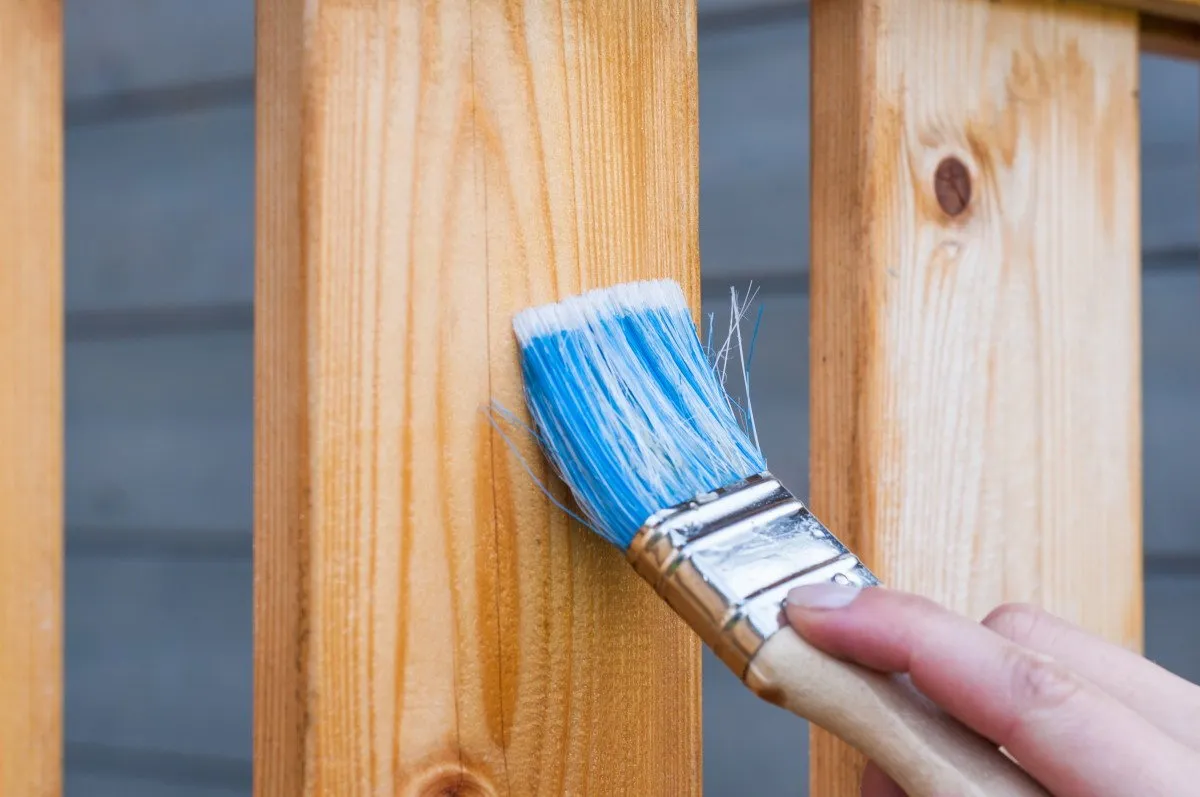
Soft, cracked, cupped or splintering boards swapped individually. Straightforward work, as long as the joists beneath are still carrying — which is checked first every time.
Deck Building
Catch it at the board stage, not at the structural stage.
In short
Deck repair addresses localised failures on a structure that is otherwise sound — soft boards, a rotted joist, loose railings, corroded hardware or worn stair treads. In Northeast Florida most of these problems trace back to water sitting somewhere it should have drained from.
In detail
Soft, cracked, cupped or splintering boards swapped individually. Straightforward work, as long as the joists beneath are still carrying — which is checked first every time.
Sistering a new member alongside a failing one, or full replacement where the damage runs further. The adjacent members and the hardware get inspected at the same time, because rot is rarely isolated.
The highest-priority repair on any deck. Correcting a ledger that was under-fastened or never flashed stops water entering the house structure and restores the connection that carries half the deck.
A railing that moves is a safety issue, not a nuisance. Usually the post connection at the deck frame has loosened or corroded. Correct repair means proper blocking and correctly rated hardware, not longer screws.
Worn treads, split stringers and loose connections. Stairs take concentrated load and sit closest to ground moisture, so they often need attention before the deck does.
Where fasteners are corroding — common near salt air and wherever the wrong specification was used originally — replacing them restores the structural system.
Timber in Northeast Florida does not fail from use. It fails because water found somewhere to sit and stayed there long enough.
That is why deck repair is mostly a drainage investigation. A soft board is interesting; the reason that one board stayed wet is the actual problem. A rotted joist end tells you where water was collecting. A corroded joist hanger tells you water has been running down the face of a member for years.
Replace the timber without finding the water and the repair has a known expiry date.
Four checks, ten minutes, no tools beyond a screwdriver.
The rim joist behind the ledger. Get under the deck where it meets the house. Push a screwdriver into the band of timber the ledger is bolted to. If it goes in easily, stop and call someone. This is the serious one.
Hardware. Look for rust streaks running down from screw heads and joist hangers. Corroding fasteners in this climate usually mean the wrong specification was used, and that applies to the whole deck.
Railing posts. Push hard at the top of each post. Movement means the base connection has failed, which is a safety item.
Post bases. Look at where posts meet concrete or ground. Decay here, or standing water around the base, undermines the whole structure.
A single joist sistered today costs a fraction of what the same area costs after the adjacent members have gone too. A ledger reflashed this year costs far less than the rim joist repair that follows ignoring it.
Deck repair is one of the few places in construction where prompt small action genuinely avoids large expenditure. The reason it gets deferred is that decks fail invisibly, from underneath, where nobody looks.
If the structure has gone beyond repair, deck replacement sets out the options.
How it runs
Boards tell you very little. We check joists, ledger, posts, footings and hardware from underneath and probe anything suspect.
You get a clear statement of what needs doing now, what can wait, and whether repair still makes sense against replacement.
Most deck repairs are a single visit. Ledger and structural work takes longer and may need a permit.
Before you decide
Getting these right at the planning stage costs nothing. Getting them wrong is expensive to undo.
Answers
It is worth investigating promptly. Bounce usually means either joists spanning further than they should, a joist that has lost strength, or connections that have loosened. None of those improve on their own, and the connection cases in particular can fail suddenly. Have someone look underneath before using the deck for anything heavily loaded.
The checks worth doing are: probe the rim joist of the house behind the ledger for softness, look for rust streaks or corroded connectors, push firmly on the railing at the top to see if it moves, check post bases for decay or standing water, and look for any joist that gives when pressed. If any of those raise a question, get it inspected rather than guessing.
A single rotted joist is routine — a new member is sistered alongside or the joist is replaced outright. What matters is why it rotted, because the cause usually affects neighbouring members too. If several joists are soft, or the rot is at the ledger, the conversation moves toward replacement.
Almost always the post connection where the railing post meets the deck frame. It may be under-blocked, fastened into end grain, or using hardware that has corroded. The fix is proper blocking and correctly rated through-bolted connections. Adding longer screws to a loose post is not a repair.
If the frame, ledger, posts and footings are sound and the issues are on the surface, repair is clearly better value. If the ledger is compromised or multiple structural members are failing, repair money is being spent on something near the end of its life. We give you that assessment in writing.
Minor like-for-like repairs typically do not. Structural work, ledger replacement and anything that changes the deck generally does. It varies by jurisdiction across the region and we confirm before starting.
Next step
We will come back with a clear scope and an honest view of what your site can support.
Keep exploring
Outdoor living built to the same standard as the dock at the end of the yard.
ViewRebuild the whole thing, or just the part that wore out.
ViewTreated timber done properly still makes an excellent Florida deck.
ViewFix what is failing before it takes the rest of the structure with it.
View